
What if the wheels don't match the listing — and you've already paid in full?
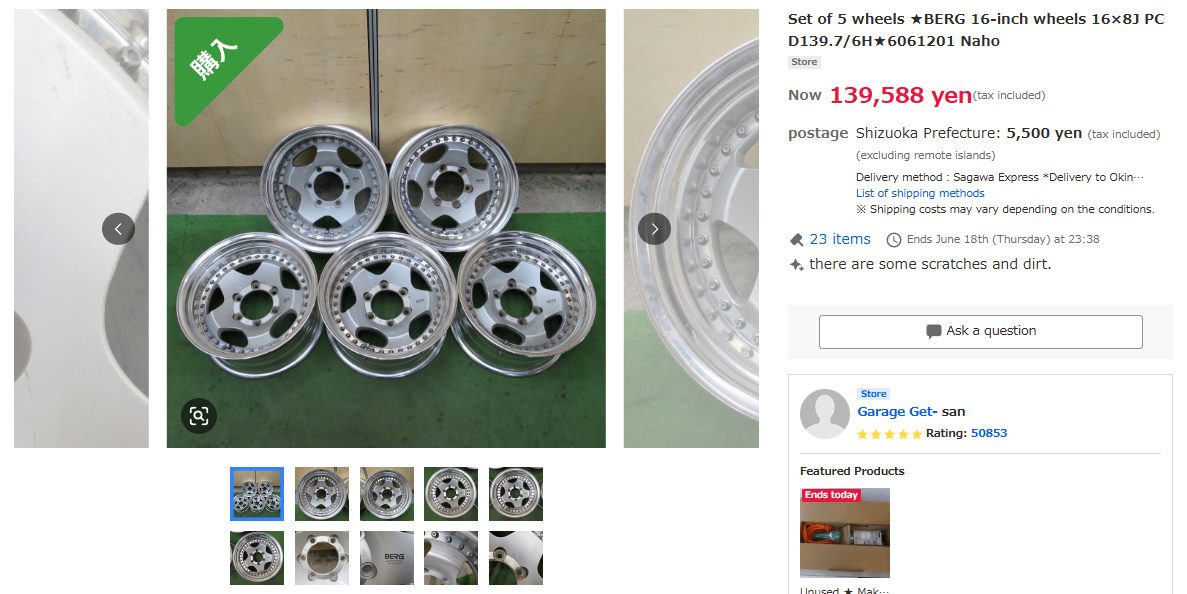
A listing said +13 offset; the stamp and my tape said −13. Across the sets I handle, roughly 1 in 5 has something the listing doesn't — wrong spec, a weld repair, hidden damage. And the part most people don't know: a normal sourcing/proxy service is responsible for making the purchase, not for the condition of the wheel — so refunds usually aren't on the table. Whoever you buy through, put an inspection between "pay" and "ship."
01The trap
A while back, a buyer in Canada asked me to source a set of Berg wheels. Clean listing, store seller, decent photos. The spec sheet said OFFSET +13. On paper, right for his car.
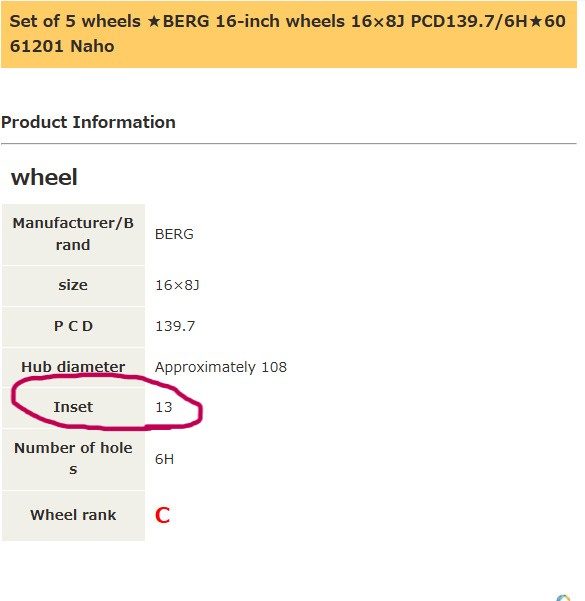
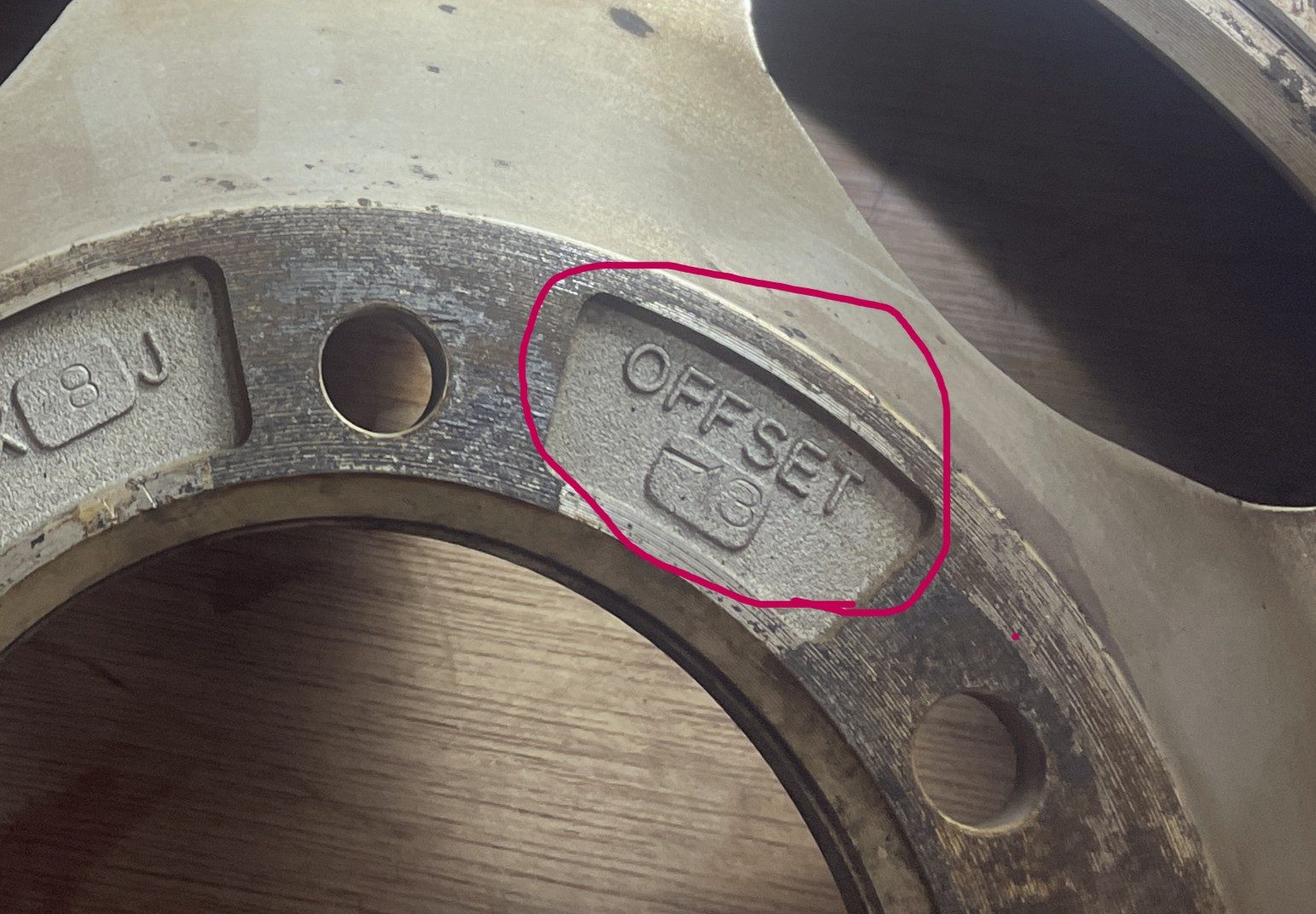
Then I had the wheels in my hands. I read the stamp on the barrel: −13. Put a tape on it to be sure — still −13. The listing was off by 26 millimeters.
If those had shipped on the listing spec, here's how it plays out for a lot of people: pay for all four, wait weeks, open the box, and find wheels 26 mm off from what you ordered. On many cars that's not "a little different" — that's rubbing, not clearing the arch, or not sitting right at all. With the money already gone.
02Why it happens
This isn't a freak case. Across the sets I handle, roughly 1 in 5 has something the listing doesn't mention — a wrong spec, a weld repair on the barrel, damage the photos hide. Japanese auction and store listings get built fast by people moving a lot of stock. A flipped sign (+/−), an old spec copied over, a crack that got welded and painted — it slips through.
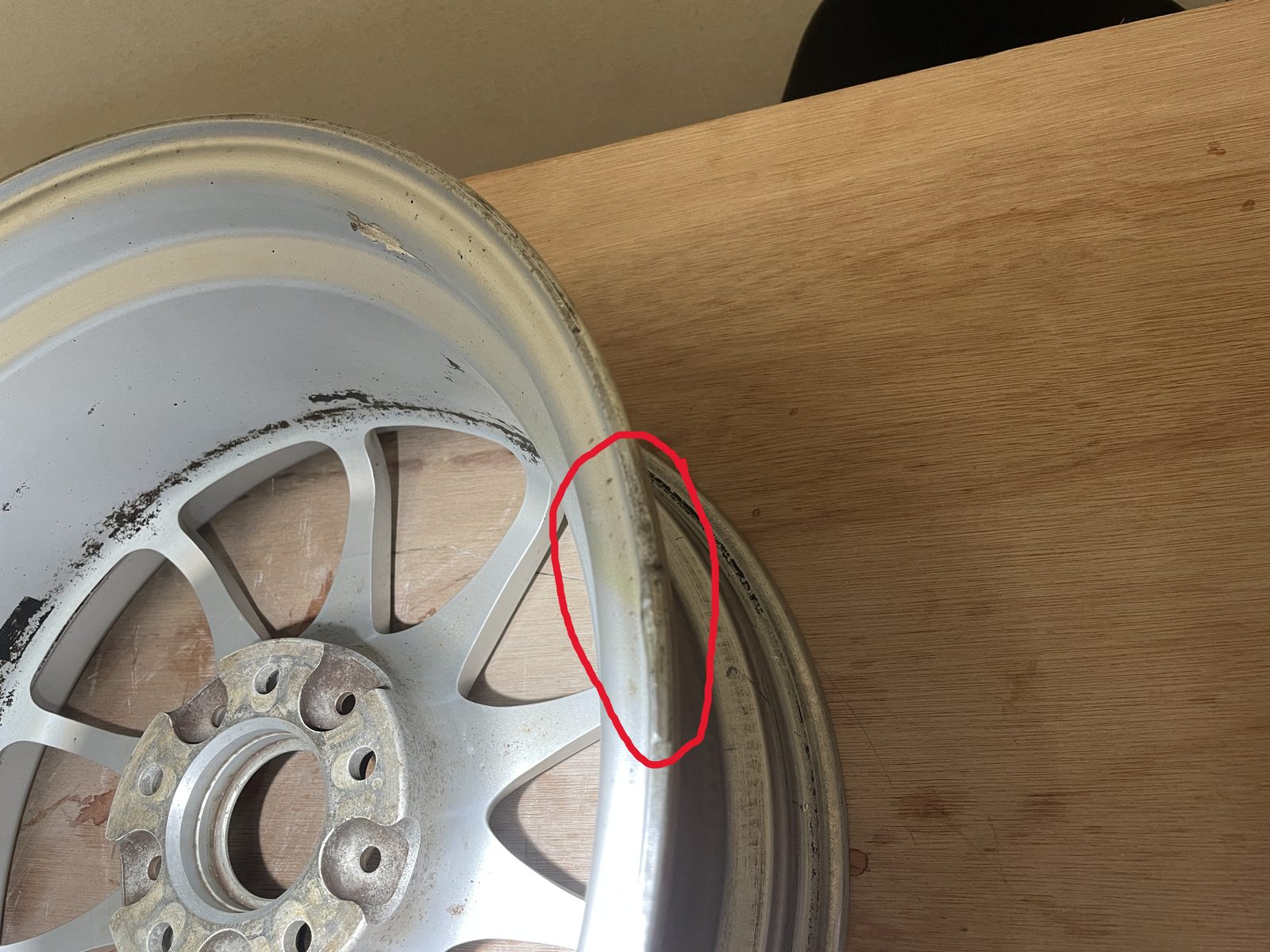
Here's one I caught on a different set — a weld repair right on the barrel, the kind of thing that never shows up in a listing photo:
And this is the part almost nobody explains — think about how responsibility actually works. A sourcing or proxy service, the kind most people use to buy out of Japan, is responsible for executing the purchase, not for the condition of the wheel. That sits with the original auction or store seller, and once it ships, they're usually done. This isn't a scam; it's just the structure. (Shop-type sellers who sell their own stock stand behind it a bit more — but chasing a cross-border return on a used wheel is its own nightmare.)
Unless someone inspects before the money is fully out, no one in the chain is really accountable for whether the wheel is right. Wheels are a $2,000–$3,000 buy — the bigger the number, the bigger the hole when it goes wrong.
03How to protect yourself
Two things, whoever you use:
About 1 in 5 sets has a spec or condition surprise. That's not paranoia — it's the number. Budget for it, mentally and literally.
Not the listing photos — the actual wheel. Offset stamp read and measured, barrel checked for welds and cracks, real condition documented. If that check happens while you can still walk away, a surprise costs you nothing but time. If it happens after the box lands, it costs you the whole set.
04How OPUS does it
This is exactly why my process runs the way it does:
- You put down a 15% deposit.
- I buy the wheels and inspect them in hand — offset, structure, real condition.
- I send you exactly what I found: photos, measurements, anything off.
- You approve. Then you pay the balance, and I ship.
On that Berg set — I sent him the −13 reading before a dollar of the balance moved. Turned out the real offset actually suited his fitment better than the +13 he'd expected, so he went ahead — and the wheels arrived exactly as I'd described them.
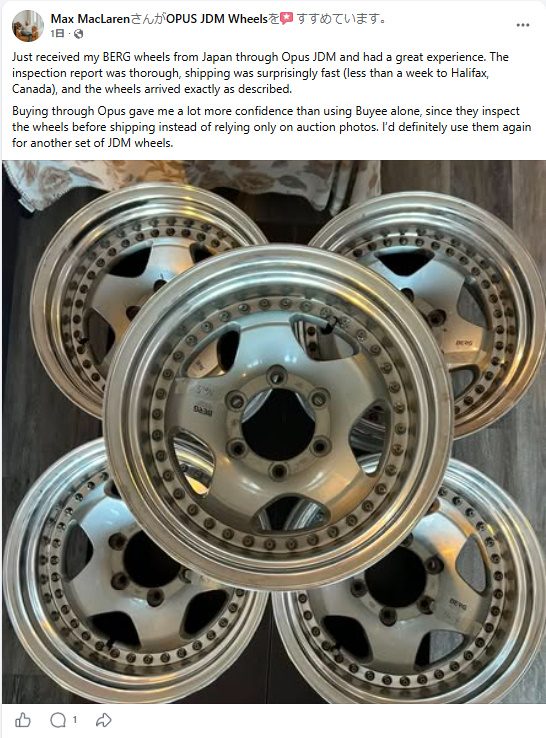
Even if you never buy through me: importing a used wheel from Japan carries a real, roughly-1-in-5 chance of a spec or condition surprise — and the standard sourcing model won't refund you for it, because it was never responsible for the item's condition in the first place. Whoever you go through — me, another proxy, or direct — go in knowing the risk, and get eyes on the wheel before you pay in full. That single step is the difference between a surprise you can still walk away from and one that's already in your garage.
 Keep learning
The Import Playbook — the full guide
More real-money lessons on importing from Japan: market price, shipping, duties, and who to buy from.
Explore all the articles arrow_forward
Keep learning
The Import Playbook — the full guide
More real-money lessons on importing from Japan: market price, shipping, duties, and who to buy from.
Explore all the articles arrow_forward
Worried about duties, shipping, or anything else?
Ask me anything about this — I'll reply within 24 hours. No sales messages, ever.
We send it for you — no email app needed. Or email stormforce@jdmexpo.jp directly. Your page link is attached so I know which article you're reading.
Run the numbers on the wheels you actually want.
Check any wheel and get your full all-in landed cost — market price, shipping, and duty included — before you commit.
travel_explore Search for wheels with the tool
"The inspection report was thorough… the wheels arrived exactly as described. Buying through Opus gave me a lot more confidence than using Buyee alone, since they inspect before shipping instead of relying only on auction photos."